
Surgical Blepharoplasty in Sewickley, PA
Restore a more refreshed appearance with surgical blepharoplasty at Envision Estetique in Sewickley, PA. Eyelid surgery can address heavy upper eyelids, excess skin, under-eye bags, and other changes around the eyes that develop over time. Our approach is personalized to your anatomy, concerns, and goals, with careful attention to the delicate structures surrounding the eyes.
READY TO GET STARTED?
What Is Surgical Blepharoplasty?
Surgical blepharoplasty is a procedure designed to address excess skin and other tissue changes involving the upper or lower eyelids. As the skin loses elasticity and the tissues around the eyes change with age, the eyelids may begin to look heavy, hooded, puffy, or less defined.
Depending on your concerns, surgery may involve the upper eyelids, lower eyelids, or both. Upper eyelid blepharoplasty focuses on excess skin that creates a heavy or hooded appearance, while lower eyelid surgery can address under-eye bags, excess tissue, and changes in the contour beneath the eyes.
At Envision Estetique, Dr. Jenny Yu and our team take an individualized approach to evaluating eyelid concerns and discussing appropriate treatment options. As a fellowship-trained oculoplastic surgeon, Dr. Yu brings specialized knowledge of the eyelids and surrounding structures to the surgical evaluation and treatment process.
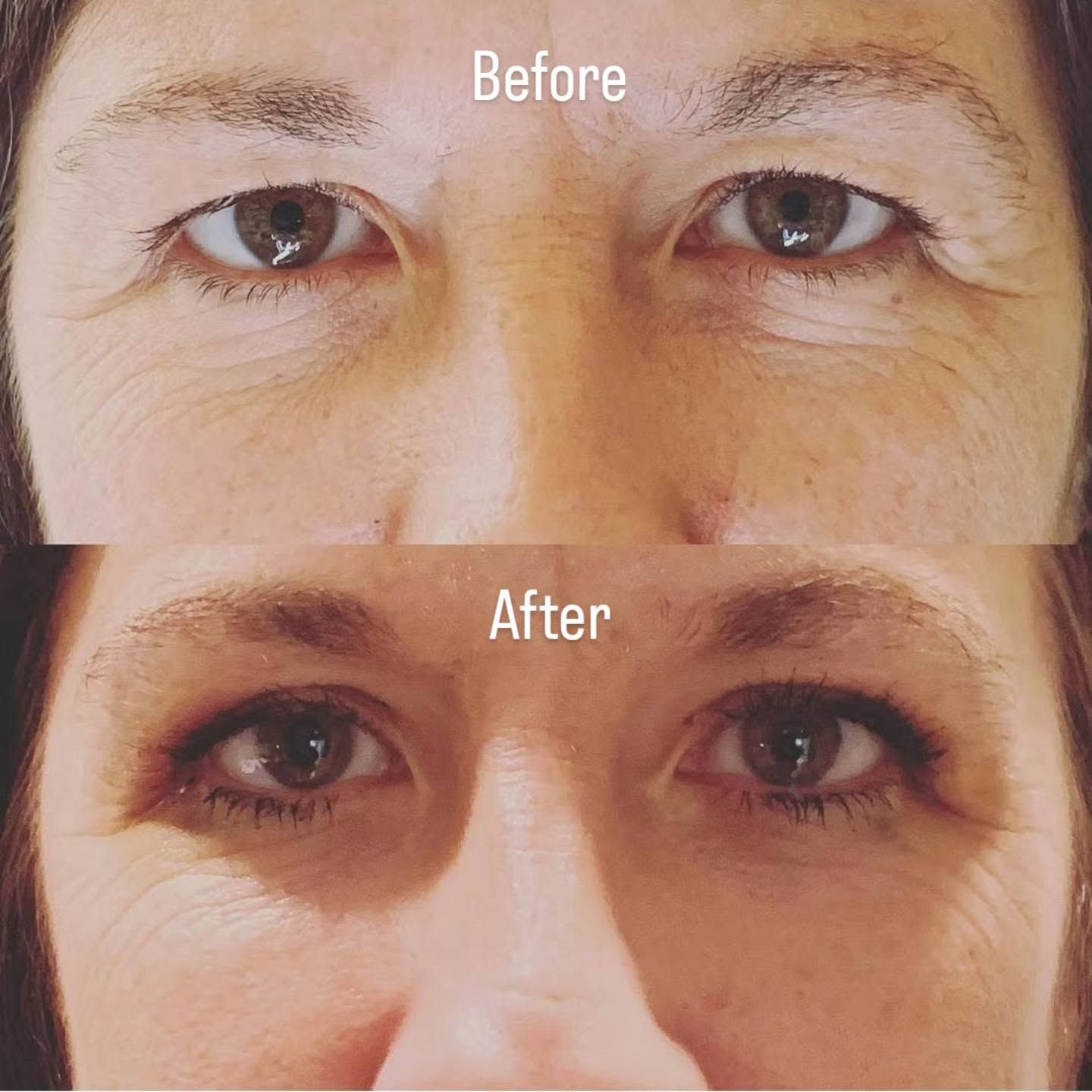
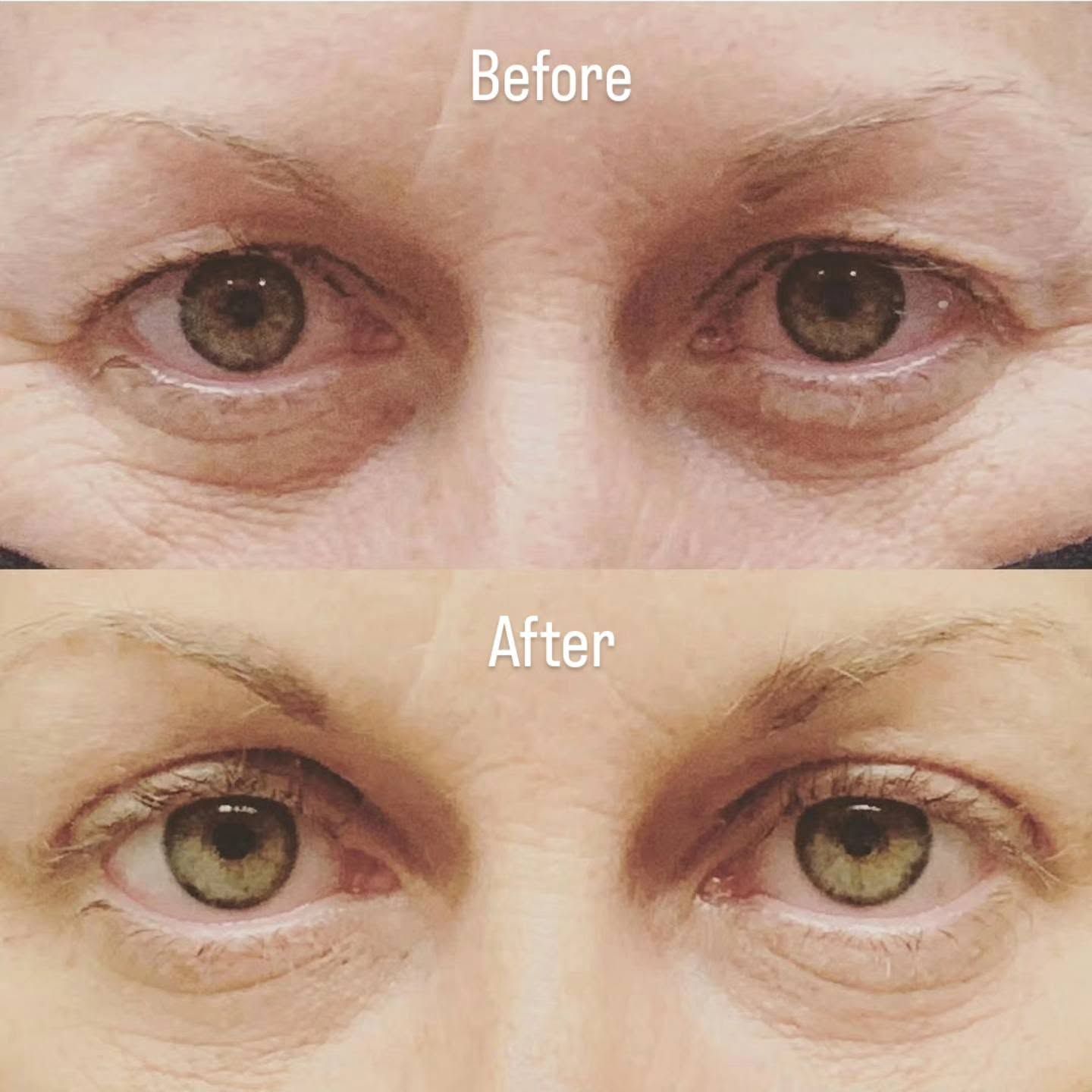
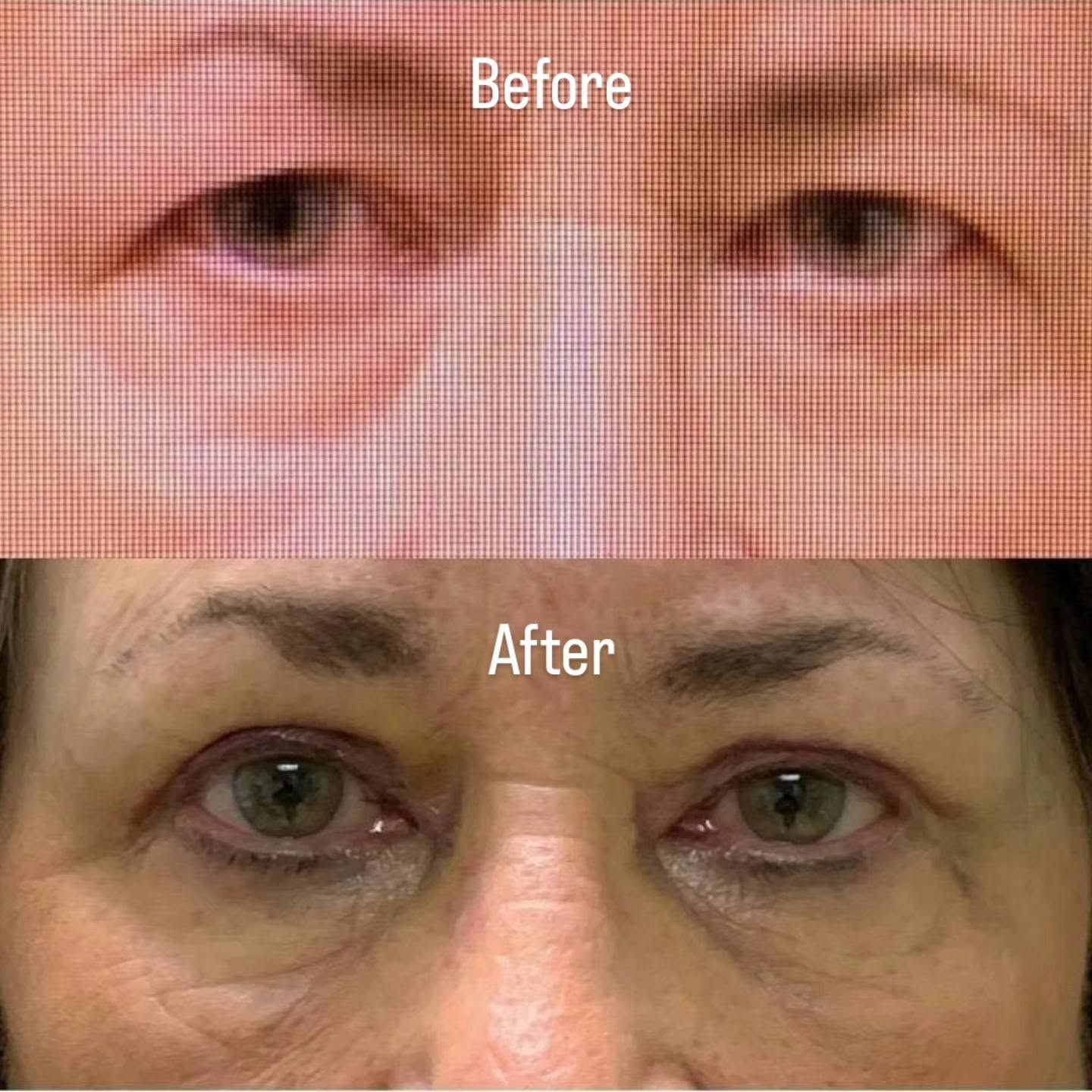
Upper Eyelid Blepharoplasty
Upper eyelid blepharoplasty is designed to address excess skin on the upper eyelids that creates a heavy, hooded, or drooping appearance. When this skin becomes more pronounced, it can make the eyes look tired or obscure the natural contour of the upper eyelids. In some cases, excess skin may also interfere with the upper field of vision.
During upper eyelid surgery, excess skin may be removed to create a more defined eyelid contour while preserving the structures necessary for normal eyelid function. The surgical plan depends on the amount of excess skin, eyelid position, brow position, and individual anatomy.
Upper eyelid blepharoplasty may be appropriate for patients who want to address:
- Heavy or hooded upper eyelids
- Excess skin that folds over the natural eyelid crease
- An aged or tired appearance around the eyes
- Upper eyelid skin that may interfere with vision
A consultation helps determine whether upper eyelid blepharoplasty alone is appropriate or whether other factors, such as brow position or eyelid muscle function, should also be considered.
Lower Eyelid Blepharoplasty
Lower eyelid blepharoplasty focuses on changes beneath the eyes, including under-eye bags, excess tissue, and loose or wrinkled skin. These concerns can create a persistent tired appearance, even when you feel well rested.
Depending on your anatomy and treatment goals, lower eyelid surgery may involve addressing protruding fat, excess skin, or changes in the transition between the lower eyelid and cheek. The specific surgical approach is selected according to the underlying cause of the concern rather than appearance alone.
Lower eyelid blepharoplasty may be considered for patients experiencing:
- Noticeable under-eye bags or puffiness
- Excess or loose skin beneath the eyes
- Changes in the contour between the lower eyelids and cheeks
- A tired appearance associated with lower eyelid tissue changes
Your provider will evaluate the lower eyelids and surrounding facial structures to determine which approach may be appropriate. For some patients, a lower eyelid lift may be combined with a mid-face lift to address related changes in the cheek area.
What Are Festoons?
Festoons are puffy areas or draping folds of tissue that develop below the lower eyelids, often near the upper cheeks. They can create a persistent swollen or uneven appearance and may be confused with ordinary under-eye bags.
Although festoons and under-eye bags can appear similar, they are not the same concern. Under-eye bags are often associated with changes in the fat and tissues surrounding the lower eyelids, while festoons involve folds of tissue and changes in the skin and underlying support structures in the lower eyelid and cheek region.
Treatment depends on the underlying anatomy and severity of the concern. Traditional lower blepharoplasty may not fully address festoons, so a specialized evaluation is important before choosing a procedure.
At Envision Estetique, your consultation can help clarify whether your concerns are related to lower eyelid bags, festoons, loose skin, or a combination of factors. Your provider can then discuss the treatment options that may be appropriate for your individual needs.
Upper Blepharoplasty vs. Lower Blepharoplasty vs. Festoon Treatment
Although these procedures address concerns around the eyes, each focuses on a different area or type of tissue change.
- Upper Eyelid Blepharoplasty: Addresses heavy, hooded, or drooping skin on the upper eyelids. The goal is to reduce excess skin and create a more defined upper eyelid contour.
- Lower Eyelid Blepharoplasty: Addresses under-eye bags, excess tissue, and loose skin beneath the eyes. The surgical approach depends on the underlying cause of the puffiness or contour changes.
- Festoon Treatment: Focuses on puffy tissue and draping folds below the eyes, often extending toward the upper cheeks. Because festoons differ from typical under-eye bags, they may require a different treatment approach.
Not every patient needs the same procedure, and these concerns can sometimes occur together. An individualized evaluation helps determine which treatment or combination of procedures may provide the most appropriate outcome.
What Can I Expect During Surgical Blepharoplasty?
Your treatment begins with a consultation to discuss your concerns, medical history, and desired results. Your provider will evaluate the upper and lower eyelids, surrounding facial structures, and any functional concerns that may affect treatment planning.
If surgery is appropriate, your provider will explain the recommended procedure, expected recovery, potential risks, and postoperative care. The details depend on whether you are undergoing upper eyelid surgery, lower eyelid surgery, or a combination of procedures.
Following surgery, temporary swelling, bruising, tightness, and discomfort may occur as the treated area heals. Your recovery timeline will depend on the procedure performed and your individual healing process. You will receive instructions regarding incision care, activity restrictions, follow-up visits, and when to resume your usual routine.
Your provider will also discuss realistic expectations for the healing process and the gradual changes you may notice as swelling subsides.

What Are the Benefits of Surgical Blepharoplasty?
For appropriately selected patients, surgical blepharoplasty can address eyelid changes that may not respond adequately to nonsurgical treatments.
Potential benefits include:
- Reduces excess skin on the upper eyelids
- Improves the appearance of heavy or hooded eyelids
- Addresses under-eye bags and selected lower eyelid tissue changes
- Creates a more defined contour around the eyes
- May improve vision when excess upper eyelid skin obstructs the visual field
- Allows treatment to be tailored to the upper eyelids, lower eyelids, or both
The results depend on your anatomy, the procedure performed, and your individual healing process. A consultation is essential to understand what surgery can realistically accomplish for your concerns.
Am I a Candidate for Surgical Blepharoplasty?
You may be a candidate for surgical blepharoplasty if you have excess upper eyelid skin, under-eye bags, loose lower eyelid skin, or other changes around the eyes that you would like evaluated.
Candidacy depends on your overall health, medical history, eyelid anatomy, expectations, and the specific concern being treated. Patients with significant upper eyelid drooping may also need an evaluation for ptosis, which involves the position of the eyelid itself rather than excess skin alone.
Patients with prominent festoons may require a different surgical or treatment approach than those with conventional under-eye bags. Determining the source of the concern is an important part of selecting an appropriate procedure. During your consultation at Envision Estetique, Dr. Jenny Yu can evaluate your eyelid concerns and discuss the available options based on your individual needs.
Surgical vs. Nonsurgical Eyelid Rejuvenation
Surgical and nonsurgical treatments can both address certain concerns around the eyes, but they are designed for different purposes. Surgical blepharoplasty can remove excess tissue and address more pronounced changes involving the upper or lower eyelids. Nonsurgical treatments may help improve the appearance of fine lines, wrinkles, and mild skin laxity without traditional surgery.
The best approach depends on the type and severity of your concerns. Surgery may be more appropriate for significant excess skin or structural changes, while nonsurgical treatments may be suitable for patients seeking improvement in skin texture and mild laxity.
Explore Nonsurgical Eyelid Rejuvenation
Surgery isn't the only option for improving the appearance of the eyelids. Envision Estetique also offers Opus Colibri, a nonsurgical treatment that uses radiofrequency energy and microplasma technology to improve the appearance of fine lines, wrinkles, and mild skin laxity around the eyes. If you're looking for an alternative to traditional eyelid surgery, learn more about this treatment and find out whether it may be right for you.
Personalized Eyelid Surgery in Sewickley, PA
Choosing eyelid surgery begins with understanding what is causing the changes around your eyes. Whether you are concerned about heavy upper eyelids, under-eye bags, loose skin, or festoons, the right treatment depends on your individual anatomy and goals.
At Envision Estetique, we take the time to evaluate your concerns and discuss appropriate surgical options. Our goal is to help you make an informed decision about treatment while prioritizing the delicate anatomy and function of the eyelids.
Contact our office in Sewickley, PA, to schedule a cosmetic consultation and learn more about surgical blepharoplasty.
Surgical Blepharoplasty FAQs
What is the difference between upper and lower blepharoplasty?
Upper blepharoplasty addresses excess skin that creates heavy, hooded, or drooping upper eyelids. Lower blepharoplasty focuses on concerns beneath the eyes, including under-eye bags, excess tissue, and loose skin. The appropriate procedure depends on your anatomy and the changes you want to address.
What is the difference between under-eye bags and festoons?
Under-eye bags are commonly associated with changes in the fat and tissues around the lower eyelids. Festoons are puffy folds of tissue below the eyes that may extend toward the upper cheeks. Because they have different underlying causes, festoons may require a different treatment approach from standard lower blepharoplasty.
Can upper eyelid surgery improve my vision?
In some cases, excess upper eyelid skin can obstruct the upper field of vision. Surgery may help when the obstruction is caused by excess skin, but other causes of eyelid drooping may require a different procedure. An evaluation can help determine what is contributing to your symptoms.
Can upper and lower blepharoplasty be performed together?
Upper and lower eyelid surgery may be combined for appropriate patients. Whether this is recommended depends on your health, anatomy, treatment goals, and the surgical plan developed during your consultation.
Does lower blepharoplasty correct festoons?
Not necessarily. Festoons involve tissue changes below the lower eyelids and can be more complex than typical under-eye bags. A specialized evaluation is important to determine whether lower blepharoplasty or another treatment approach may be appropriate.
How long does it take to recover from blepharoplasty?
Recovery varies depending on whether upper eyelid surgery, lower eyelid surgery, or combined procedures are performed. Swelling and bruising are common during the initial healing period, and the treated areas continue to settle over time. Your surgeon will provide individualized recovery instructions.
How long do surgical blepharoplasty results last?
Results can be long-lasting, but they do not stop the natural aging process. Changes in skin elasticity, facial tissues, and eyelid anatomy can continue over time. Your surgeon can discuss realistic expectations based on your individual circumstances.
Is surgical blepharoplasty better than nonsurgical eyelid treatment?
Neither option is best for every patient. Surgery may be more appropriate for significant excess skin, under-eye bags, or other structural concerns, while nonsurgical treatments may help with fine lines and mild skin laxity. A consultation can help determine which approach best fits your needs.
What happens during a surgical blepharoplasty consultation?
Your consultation includes an evaluation of your eyelids and surrounding facial structures, a discussion of your goals and medical history, and recommendations based on your individual concerns. Your provider will explain the proposed procedure, potential risks, recovery expectations, and next steps.
Who performs surgical blepharoplasty at Envision Estetique?
Dr. Jenny Yu is the primary provider for surgical eyelid procedures at Envision Estetique. During your consultation, she can evaluate your concerns and discuss the surgical options that may be appropriate for your needs.
RELATED PROCEDURES
*Individual results are not guaranteed and may vary from person to person. Images may contain models.
